How to Choose the Right Dance Class for Your Skill Level
Dance is a beautiful form of expression that has been around for centuries. From traditional cultural dances to contemporary styles, there are endless options to choose from when it comes to dance classes.
But with so many options, how do you find the right class for your skill level? In this guide, we will explore some tips on how to choose the right diverse dance Dubai class for your skill level.
Honestly Assess Your Starting Point:
Begin with a realistic self-evaluation. Ask specific questions: Have you taken formal lessons before? Can you maintain a basic rhythm in your chosen style? A person new to dance needs foundational instruction, while someone with past training might start higher. Consider your general fitness; dance uses stamina and muscles. An honest appraisal prevents frustration in a fast class or boredom in a slow one.
Decode Class Level Descriptions:
Studios use common terms. “Absolute Beginner” or “Introduction” classes assume zero knowledge. They teach fundamental steps, posture, and simple rhythm. “Beginner” classes often suit people with introductory experience, strengthening basics while adding short combinations. “Intermediate” levels require solid grasp of core techniques; these sessions focus on longer sequences and musicality. “Advanced” classes move at a rapid pace and expect proficiency. Always confirm the studio’s specific definitions.
Research and Observe Directly:
Investigate local studios and their instructors. Read class descriptions carefully, and note the prerequisites. Many schools welcome or even encourage potential students to observe a class. Watching a session gives you a clear sense of the pace, teaching style, and student level. You can see if the instruction feels clear and if the group’s ability matches your own. Contacting the studio to ask for guidance also provides useful insight.
Consider Class Format and Style:
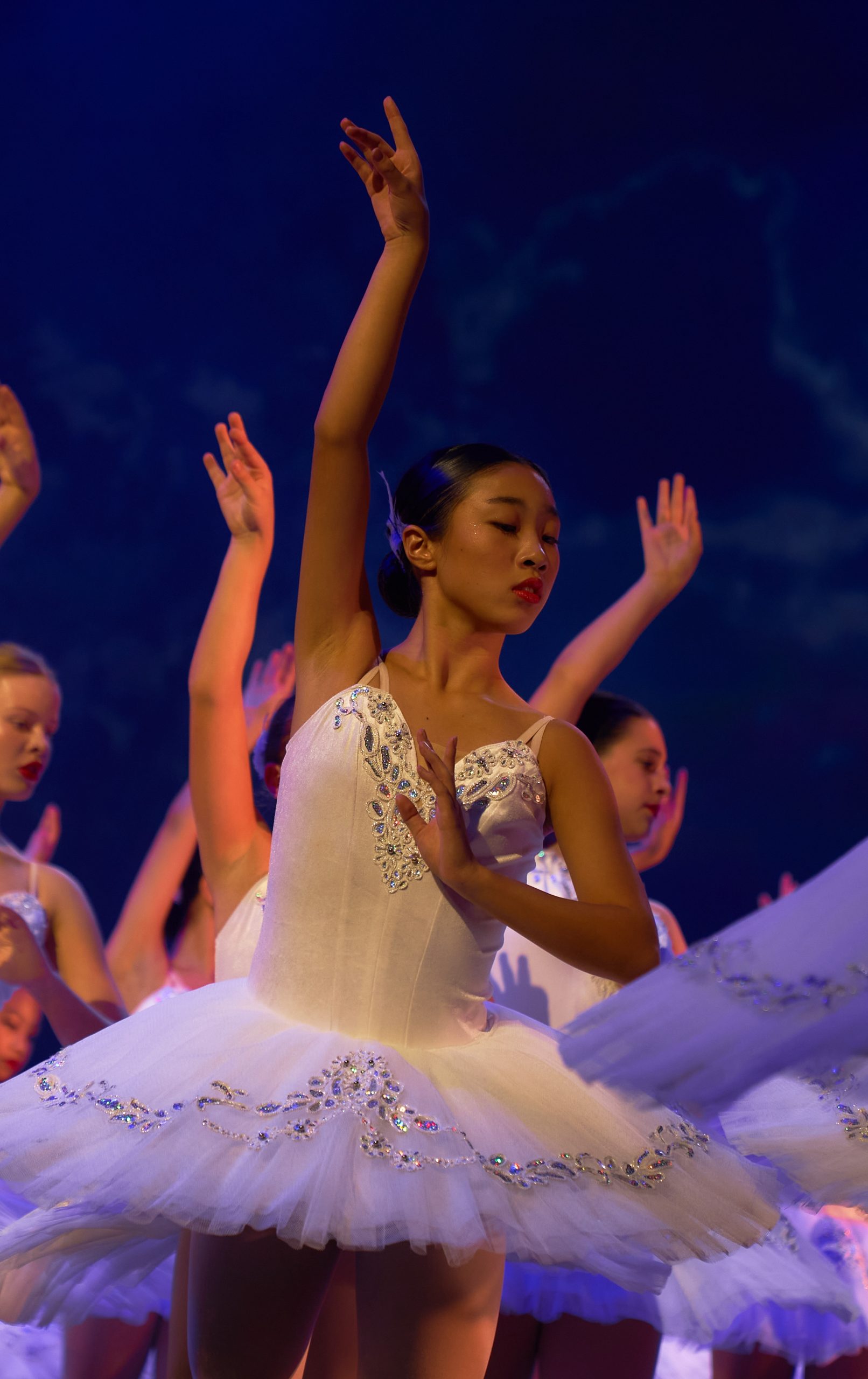
The dance style itself influences the learning curve. A ballet class for beginners will structure itself differently from a beginner hip-hop class. Furthermore, class formats vary. Large groups offer energy and social contact, while smaller sessions provide individual feedback. Workshops suit people wanting a short-term commitment, and ongoing courses allow for structured progression. Choose a format that supports your learning preferences and schedule.
Prioritize a Supportive Environment:
The right class feels challenging yet achievable. Look for a positive atmosphere where instructors give constructive corrections. Fellow students should appear engaged and supportive. A good environment reduces self-consciousness and fosters learning. If a class feels intimidating or overly casual, it might not fit your needs.


More Stories
The Best Weight Loss Products From Shakes To Supplements
Fresh ideas fill the health market each year, and many people look for simple options that fit busy routines. Store...

The Technology Stacks Used By Premium Corporate Event Management Companies
Premium corporate events run on much beyond stages, speakers, and guest lists. Behind a polished conference or executive gathering sits...

The Cost Of A Bad Office Fit Out – What You Lose Every Day
Office space affects daily work in ways many businesses don't notice at first. A poor layout, uncomfortable furniture, weak lighting,...

Why Outdoor Birthday Parties Are Gaining Popularity
Birthday celebrations have shifted from cramped indoor halls to open skies and fresh grass. Families now choose parks, gardens, and...

Natural Vs. Medical PCOS Treatment – What The Evidence Really Says
Hormones play strange tricks when periods vanish or weight clings tight. Tired eyes and skin breakouts signal internal chaos needing...

The Questions Every Retailer Should Ask Their Duty-Free Kiosks Manufacturer
Retail spaces inside airports demand clear focus. Travelers hurry toward gates, checking watches, seeking last-minute gifts, or hunting for snacks....