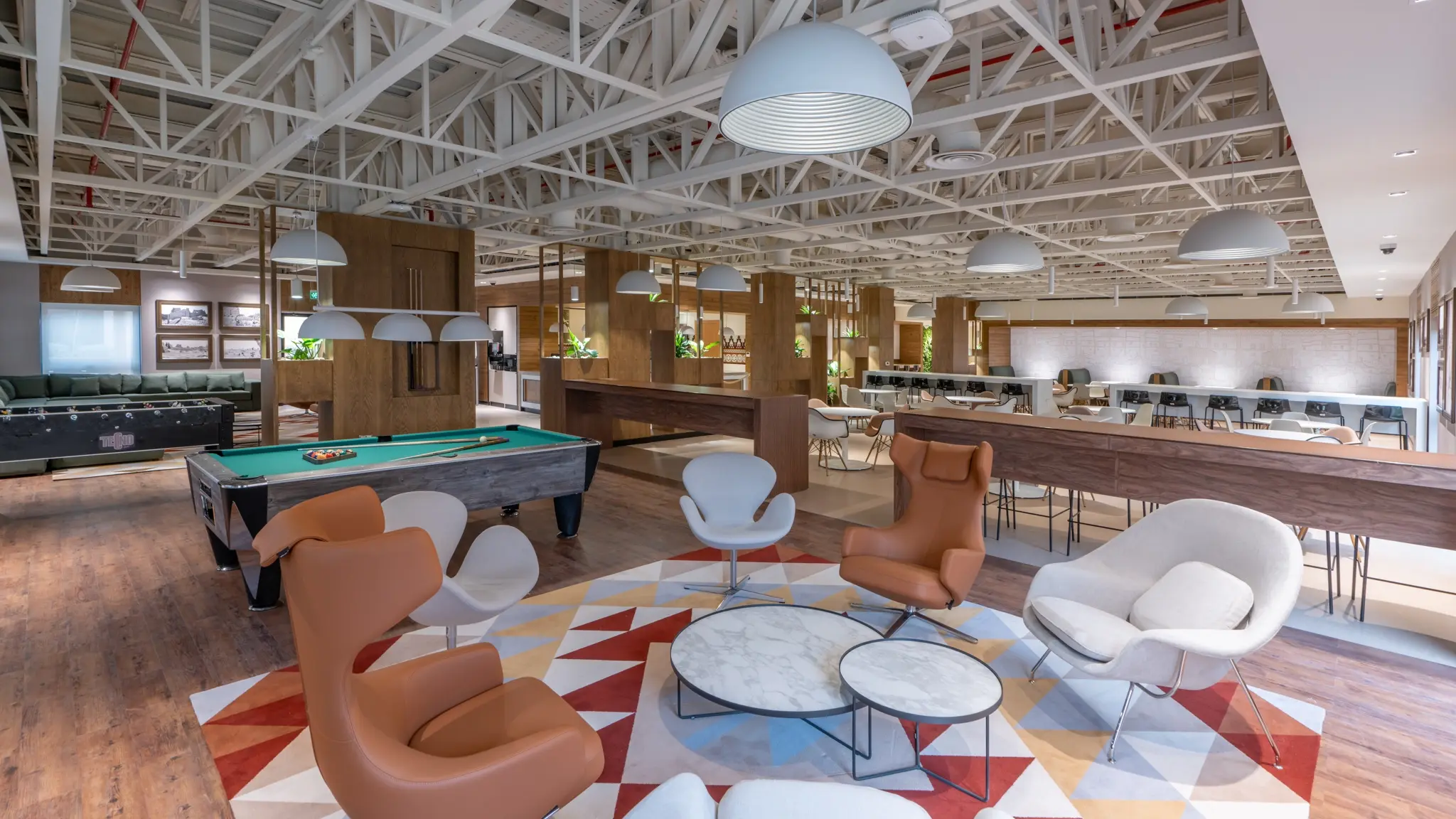
The Cost Of A Bad Office Fit Out – What You Lose Every Day
Office space affects daily work in ways many businesses don’t notice at first. A poor layout, uncomfortable furniture, weak lighting, and limited storage slowly reduce efficiency and motivation. Small problems build into larger ones and influence staff, clients, and daily operations.
Business owners who ignore these issues pay the price each working day. Investing in a quality interior office fit out helps companies avoid these hidden losses from the very beginning.
Poor productivity slows daily work:
Employees perform best in a workspace that supports focus and movement. A cramped layout forces people to waste time walking around obstacles or searching for supplies. Poor desk placement also interrupts teamwork and concentration. Simple daily tasks take longer, and deadlines become harder to meet. Lost minutes during the day turn into lost hours by the end of the week.
Uncomfortable spaces lower staff morale:
People spend long hours in the office. Uncomfortable chairs, poor lighting, and noisy surroundings make work frustrating. Staff lose motivation and struggle to stay focused. They may also take extra breaks because the environment feels tiring. A pleasant office encourages better energy and stronger commitment throughout the workday.
Clients notice the wrong impression:
Visitors quickly judge a business after entering the office. Old furniture, damaged finishes, and poor organization make the company appear unprofessional. Clients often connect the appearance of the office with the quality of the services. A clean and attractive workspace builds confidence and helps strengthen business relationships.
Poor layouts waste valuable space:
Unused corners, oversized meeting rooms, and cluttered storage reduce the value of the office. Companies pay rent for areas that serve little purpose. A well-planned layout gives each section a clear function and supports daily activities. Good use of space also allows future growth without unnecessary renovation costs.
Maintenance costs keep increasing:
Low-quality materials wear out quickly. Flooring, furniture, and fixtures need frequent repairs or replacement. These repeated expenses place pressure on business budgets. Durable materials reduce ongoing maintenance and help businesses avoid unexpected spending throughout the year.
Staff retention becomes harder:
Employees appreciate workplaces that support comfort and efficiency. An outdated office makes daily work less enjoyable and can encourage skilled workers to seek better opportunities elsewhere. Hiring and training new employees’ costs time and money. An inviting workspace helps people feel valued and encourages them to stay with the company.

More Stories
The Best Weight Loss Products From Shakes To Supplements
Fresh ideas fill the health market each year, and many people look for simple options that fit busy routines. Store...
The Technology Stacks Used By Premium Corporate Event Management Companies
Premium corporate events run on much beyond stages, speakers, and guest lists. Behind a polished conference or executive gathering sits...

Why Outdoor Birthday Parties Are Gaining Popularity
Birthday celebrations have shifted from cramped indoor halls to open skies and fresh grass. Families now choose parks, gardens, and...

Natural Vs. Medical PCOS Treatment – What The Evidence Really Says
Hormones play strange tricks when periods vanish or weight clings tight. Tired eyes and skin breakouts signal internal chaos needing...

The Questions Every Retailer Should Ask Their Duty-Free Kiosks Manufacturer
Retail spaces inside airports demand clear focus. Travelers hurry toward gates, checking watches, seeking last-minute gifts, or hunting for snacks....

6 Facial Skincare Habits That Are Secretly Aging Your Skin Faster
Every person wants a fresh face, but daily routines sometimes do the opposite. You might think your habits help, yet...